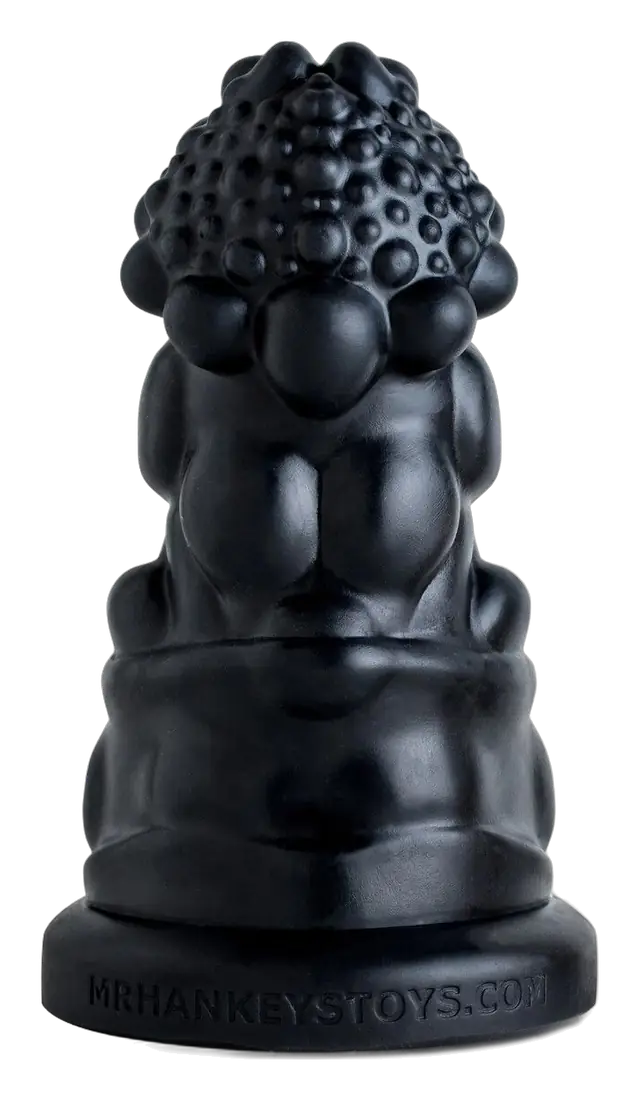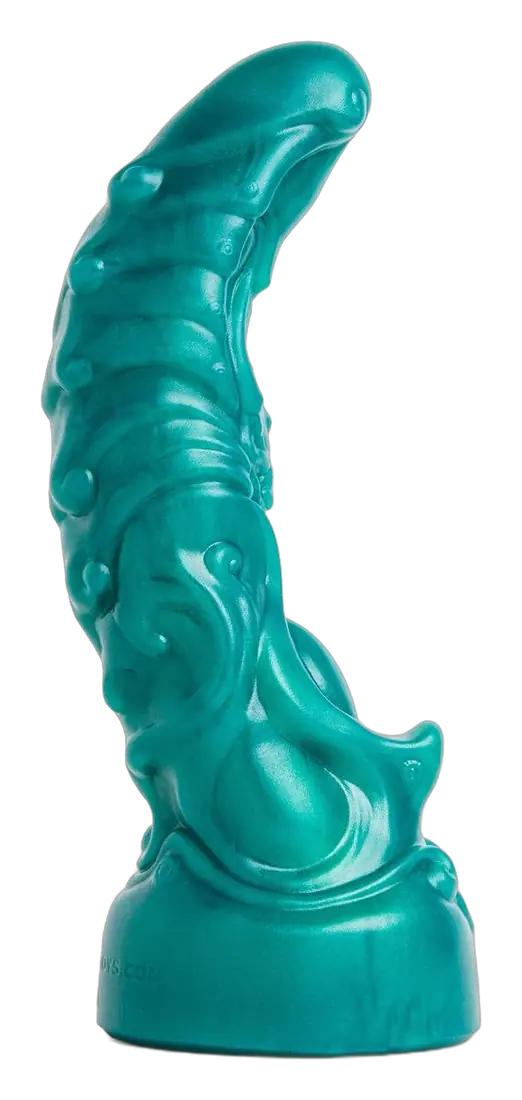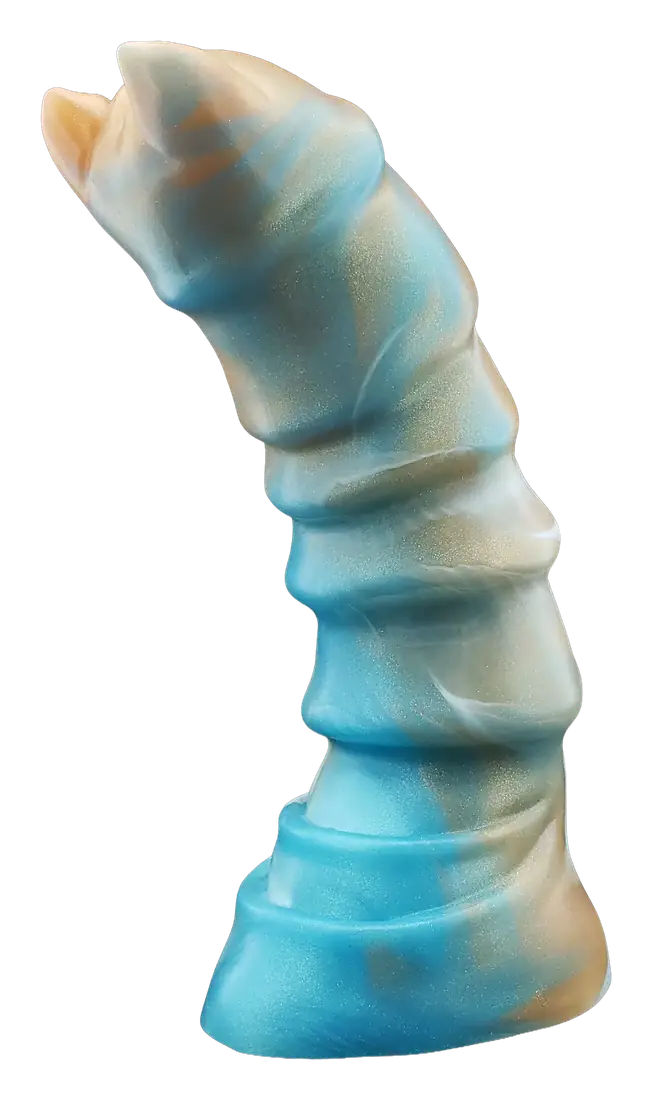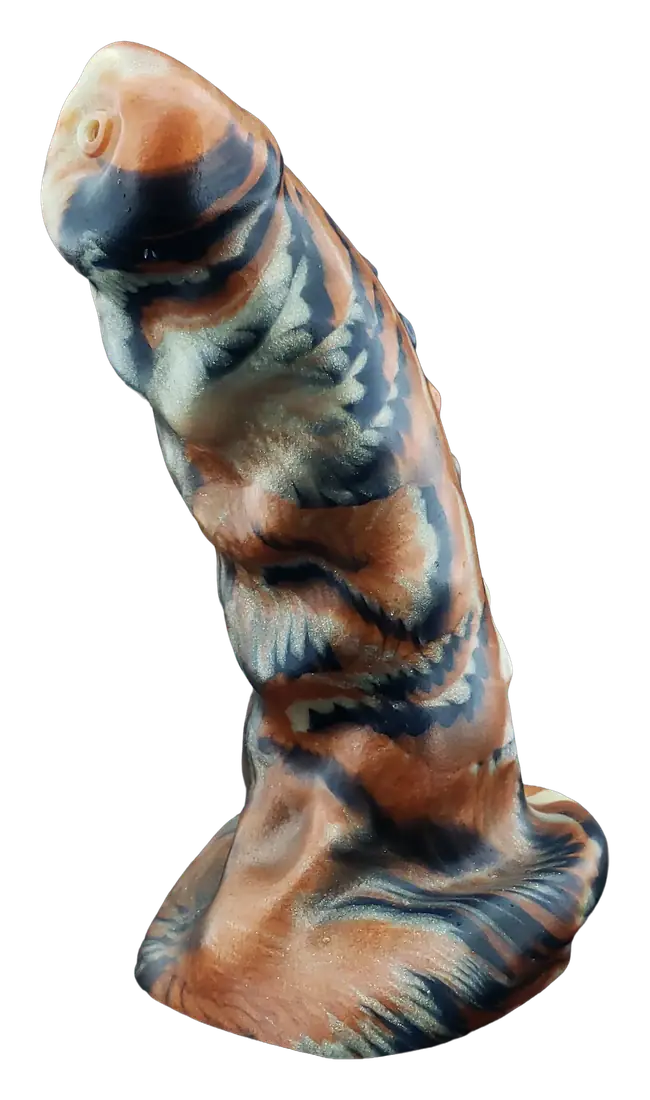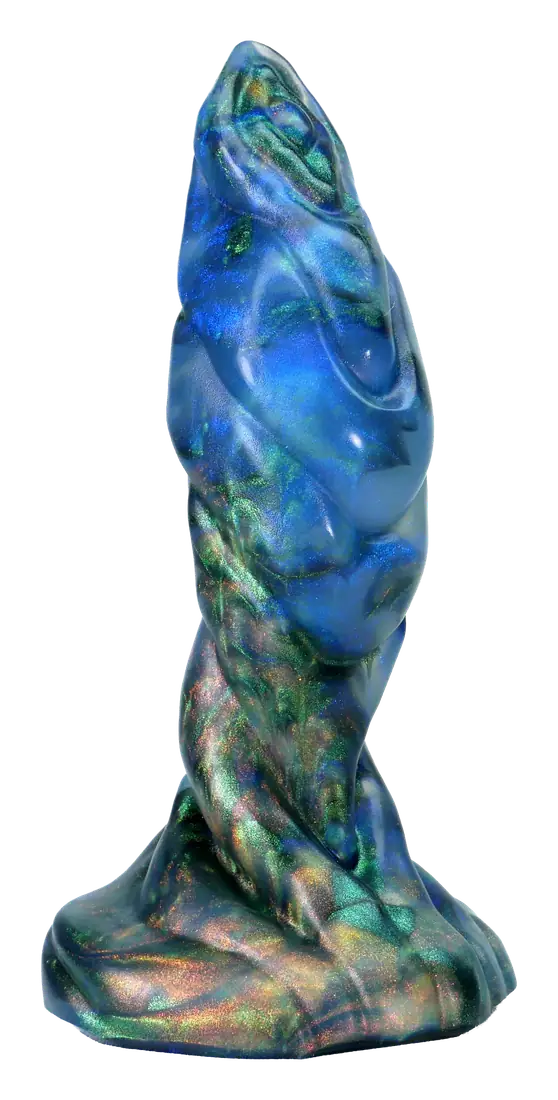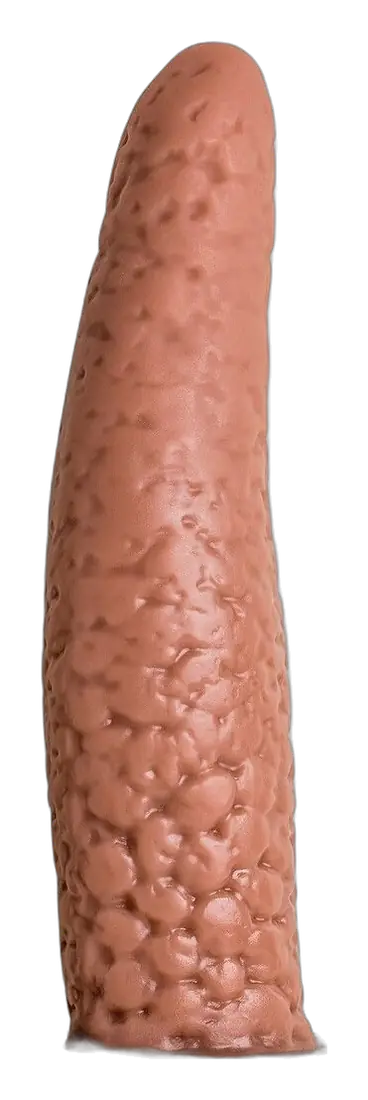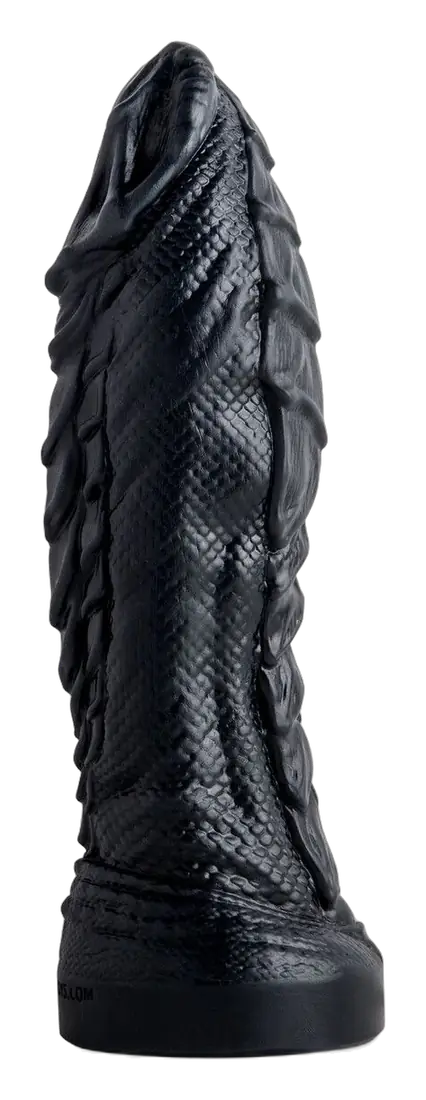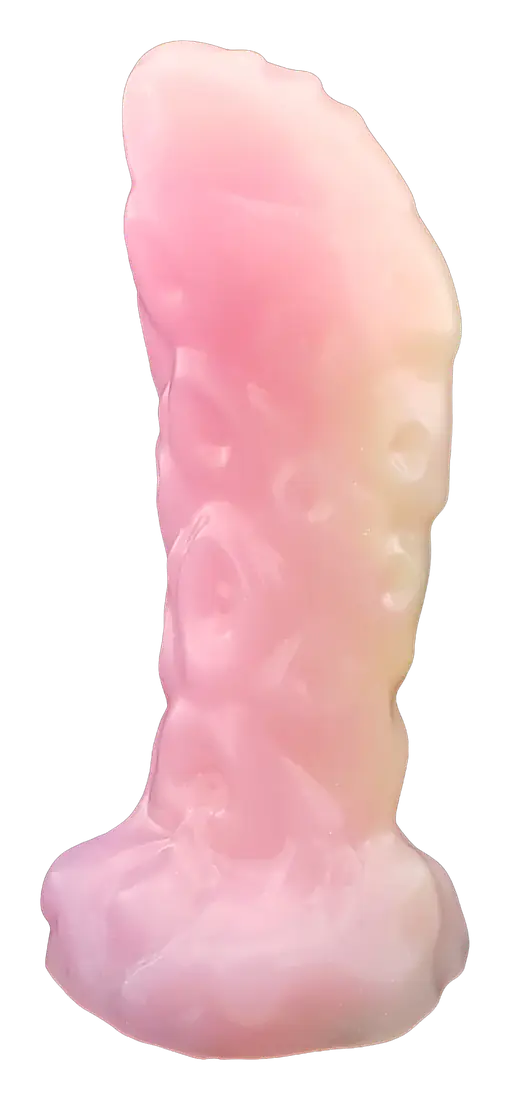
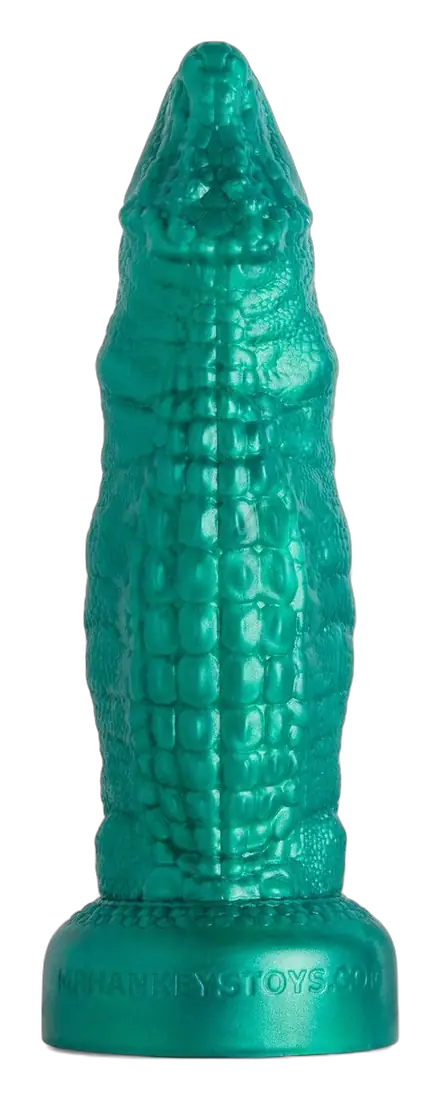
The Theeng
Mr Hankey's Toys
small/med · poured to order girth 8.0″
usable 8.0″
feel 3 feels
$134.95
no reviews yet — be first
Goldilocks measures and compares sex toys, and we write about them plainly. It's a site for adults. Are you 18 or over?
Your answer lasts until you close the tab. Nothing is stored, and there's no account to make.
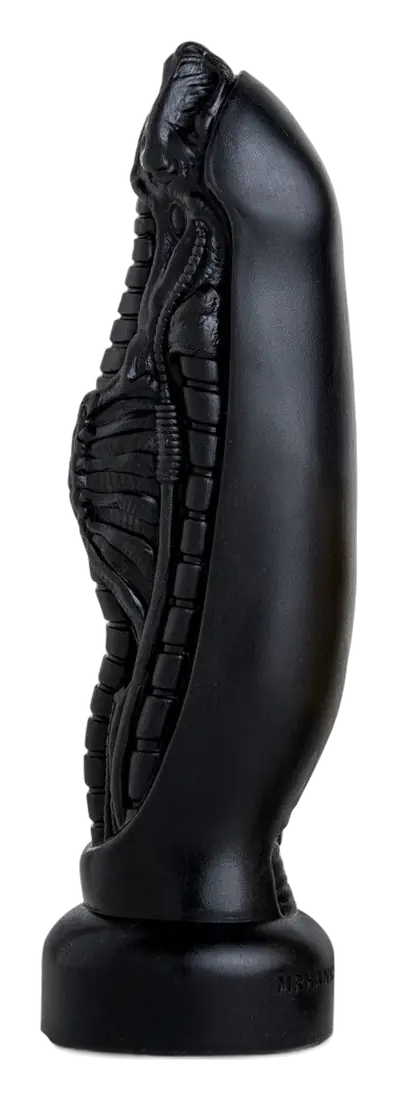
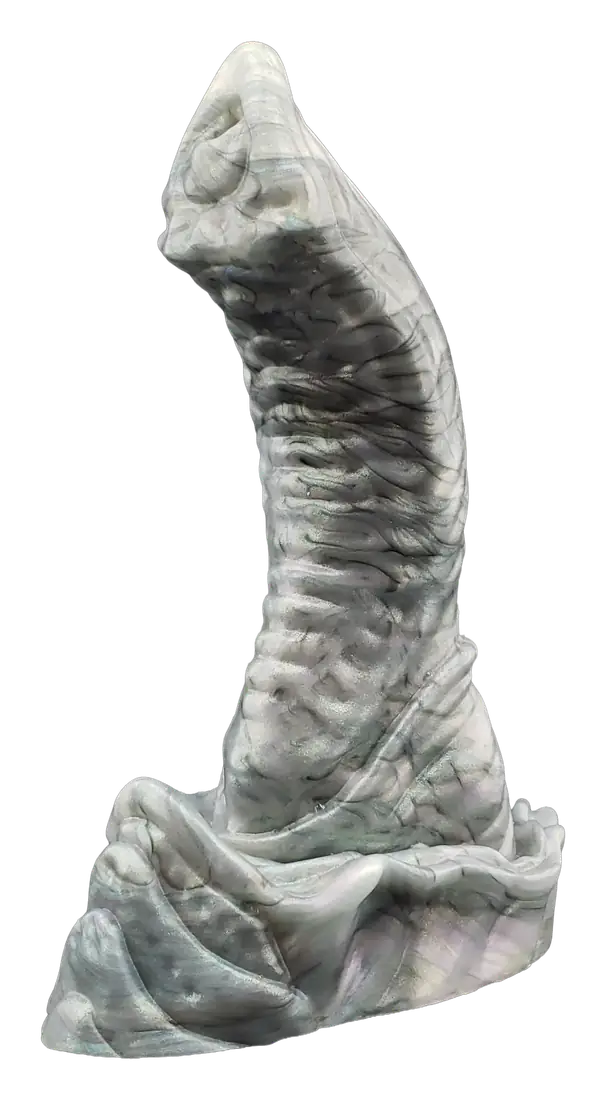
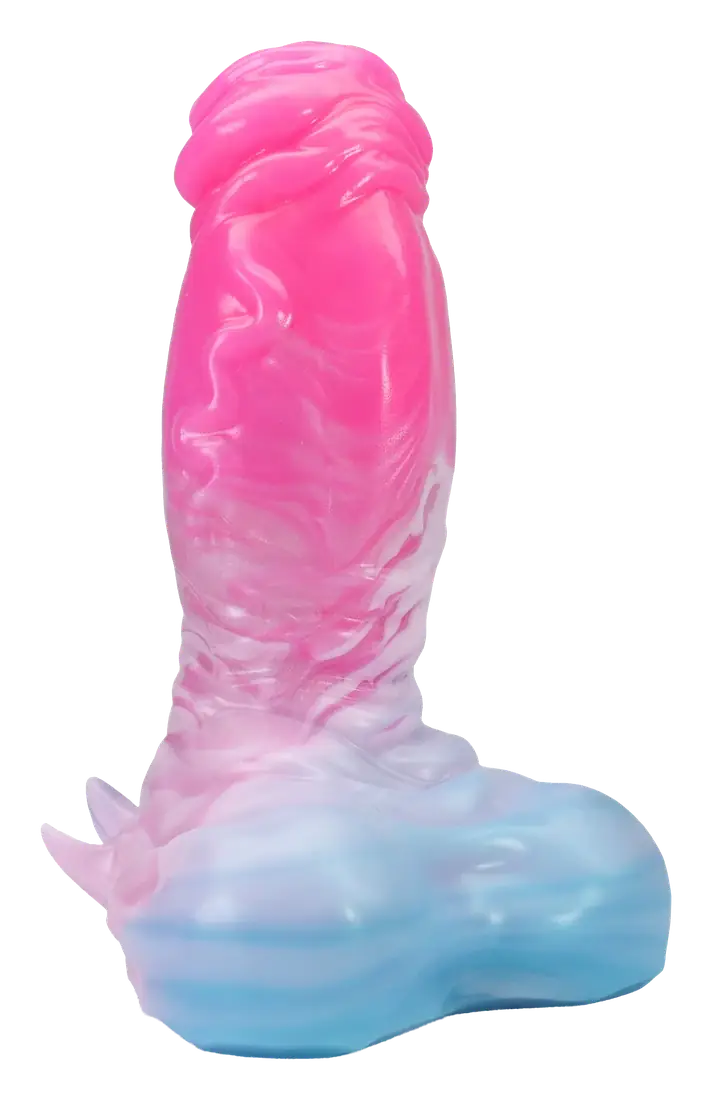
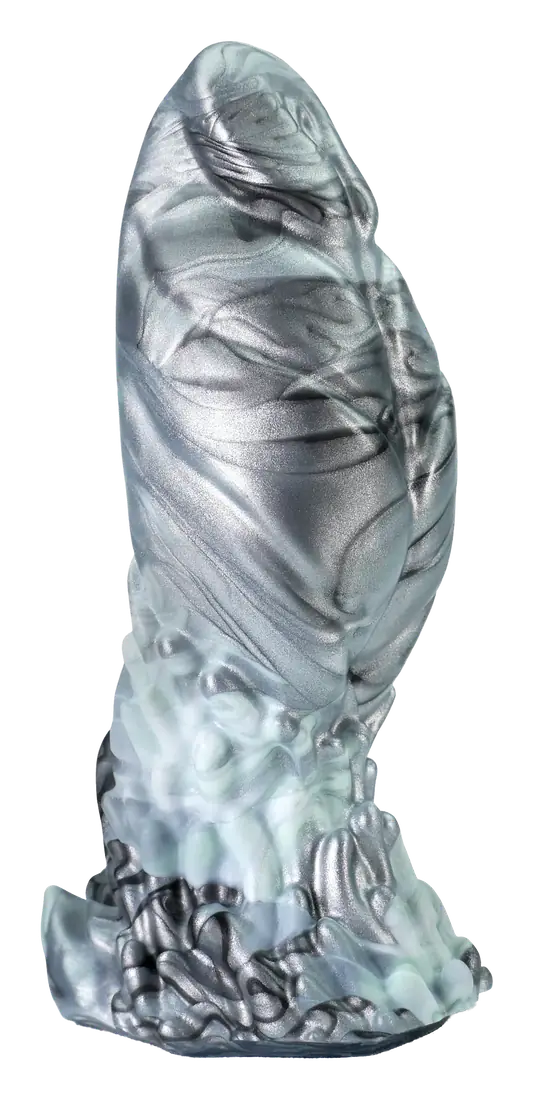
Ribs, scales, veins and nubs — sensation you can feel move.
Textured sculpts put the detail where you feel it: raised ribs, dragon and reptile scales, prominent veining, rows of nubs or bumps. Where a classic shape is about steady fullness, a textured one is about movement — the sensation changes as the toy passes, which is the entire point of the shape.
Fantasy is the natural home for texture, because a creature sculpt gives makers a reason to cover a shaft in scales or ridges that would look odd on a realistic toy. The result is a huge range, from a whisper of surface detail to deep, unmistakable ridging.
Texture registers on the move: each ridge or scale is felt as it passes, so slower strokes pick up detail that fast ones skate over. Deeper, more spaced texture gives distinct bumps; fine, dense texture reads as an overall grip or drag. Neither is “more”, they are different sensations, and the photos and firmness tell you which a sculpt leans towards.
Firmness is the volume knob for texture. Poured soft, ridges flatten and soften into a gentle suggestion; poured firm, every scale keeps its edge and the detail comes through sharply. If a texture looks intense, a softer pour of the same sculpt is the classic way to enjoy the shape more gently.
Plenty of lube changes texture more than any other shape: it lets the ridges glide, and a generous, reapplied layer is the difference between “grippy and lovely” and “too much”. Textured shapes reward taking it slow.
If you are unsure, start with lighter, rounded texture and a softer pour before working up to deep, firm ridging. Texture is easy to underestimate from a photo and easy to enjoy once you have met it at the gentle end.
One card per sculpt — buyable first. Every card links to the full spec sheet, all measurements included.